
Allergic rhinitis
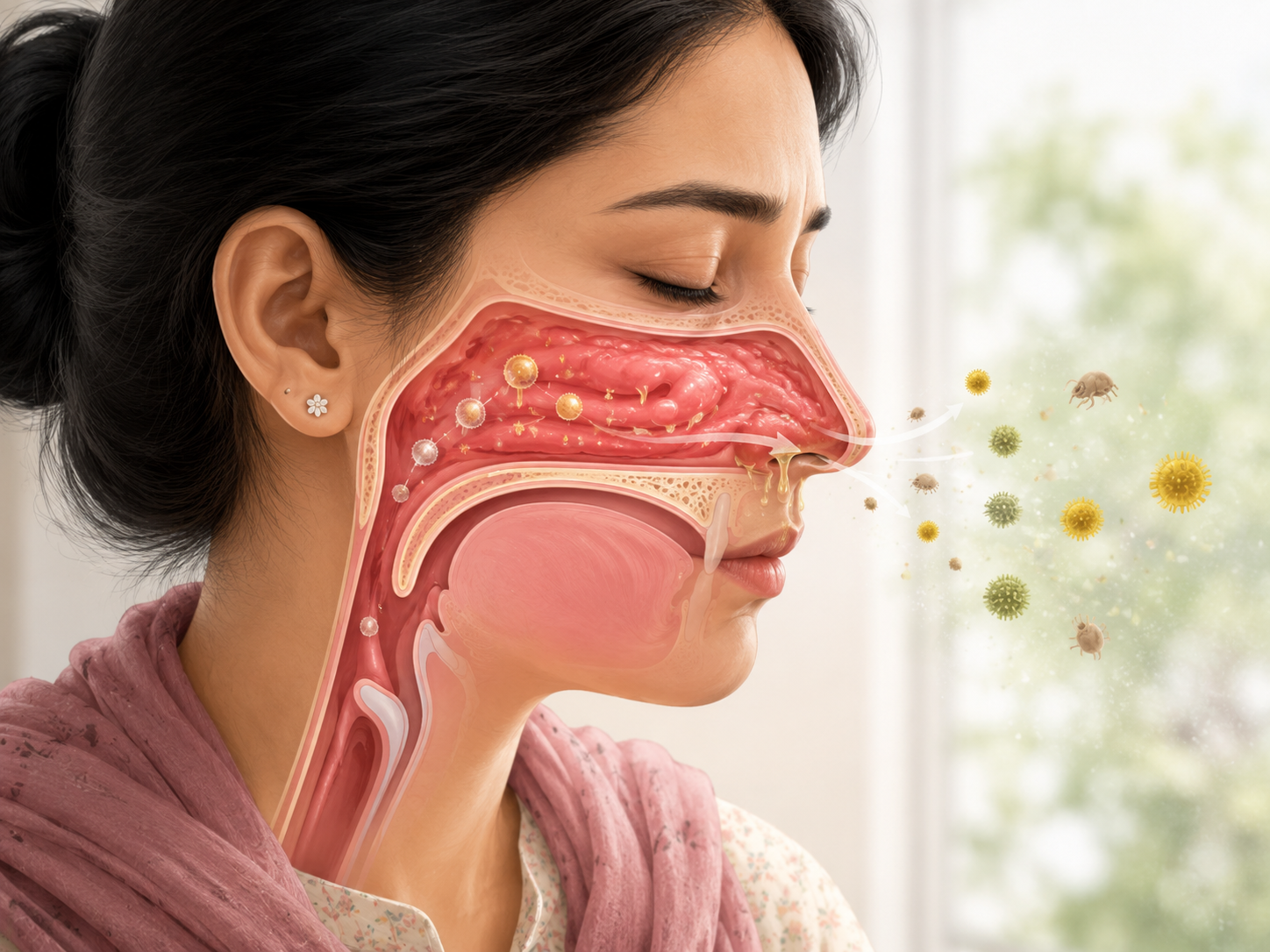
Allergic rhinitis is a common condition where the inside of the nose becomes inflamed after breathing in something you are allergic to. Common triggers include pollen, dust mites, pet dander, and mould. When your body comes into contact with a trigger, it reacts by causing symptoms such as sneezing, a runny or blocked nose, itchy eyes, and a cough. These symptoms can appear quickly - often within minutes of exposure. Allergic rhinitis is not contagious and is not usually serious, but it can affect your sleep, concentration, and daily life if left unmanaged. Some people experience symptoms at certain times of year - often when pollen counts are high - while others are affected all year round, depending on what triggers their allergy. With the right care, most people are able to manage their symptoms well through a combination of avoiding triggers, using medicines available from a pharmacy, and making simple changes at home.
Symptoms
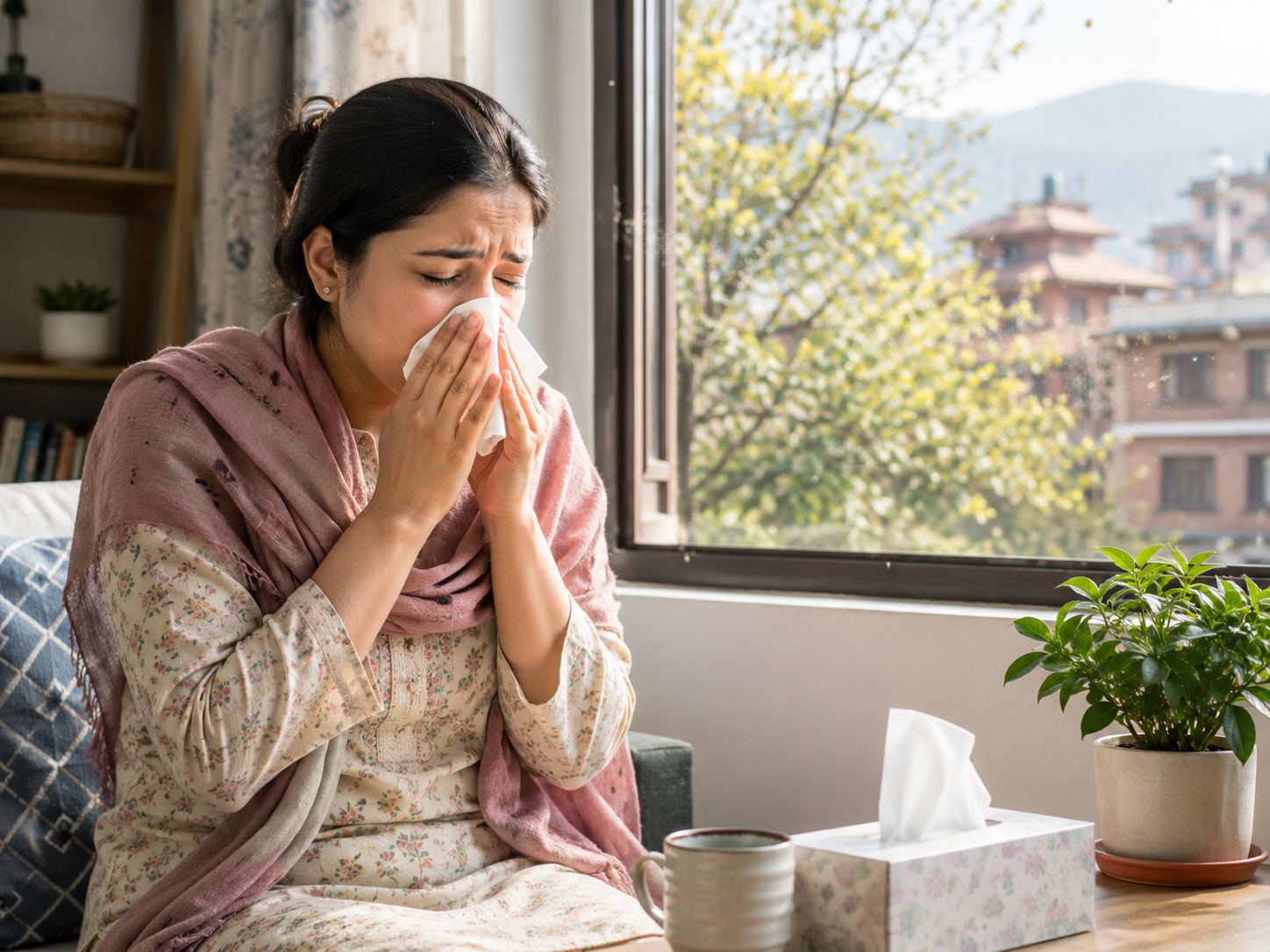
Allergic rhinitis tends to cause symptoms that feel much like a common cold. These may include:
• sneezing
• an itchy nose
• a runny or stuffy nose
• red, itchy, and watery eyes
• a cough
• itchiness on the roof of the mouth
These symptoms often appear within minutes of being exposed to something that triggers your allergy.
Red flags
Non-urgent advice: See a doctor or health worker if:
• your allergic rhinitis symptoms are getting worse over time
• you have asthma alongside your rhinitis and it is also becoming more troublesome
• your symptoms are disturbing your sleep or making daily activities difficult
• you are unsure what is triggering your symptoms
• medicines bought from a pharmacy or medicine shop are not giving you relief
Self-care
Many people with allergic rhinitis can manage their symptoms on their own without visiting a doctor or health worker.
Where possible, try to identify and stay away from the things that trigger your allergy symptoms.
Your local pharmacy or medicine shop can guide you on suitable medicines, which may include:
• antihistamines
• decongestant nasal sprays or drops to help clear a blocked nose (these should not be given to children under 6 years old)
• steroid nasal sprays
• salt water nasal sprays or rinses to help clean the inside of your nose
Nasal sprays are available without a prescription, but avoid using them for longer than recommended, as extended use can make symptoms worse. Check the medicine's leaflet or ask your pharmacist how long it is safe to use.
To make a salt water nasal rinse at home:
1. Boil water and allow it to cool completely.
2. Stir in 1 teaspoon of salt and 1 teaspoon of bicarbonate of soda.
3. Wash your hands thoroughly before starting.
4. Stand over a sink, cup one palm, and pour a small amount of the solution into it.
5. Gently sniff the solution into one nostril at a time, breathing through your mouth and letting the water drain back into the sink. Try to prevent it from running down your throat.
6. Repeat up to 3 times each day, preparing a fresh solution each time, until your nose feels more comfortable.
If you develop a high temperature or feel too unwell to carry out your usual daily activities, rest at home and limit close contact with others until you recover.
To help reduce allergic rhinitis symptoms day to day, the following steps can make a difference:
• wear wraparound sunglasses when outdoors to shield your eyes from pollen
• choose synthetic pillows and bedding, and wash all bedding regularly at 60°C or above
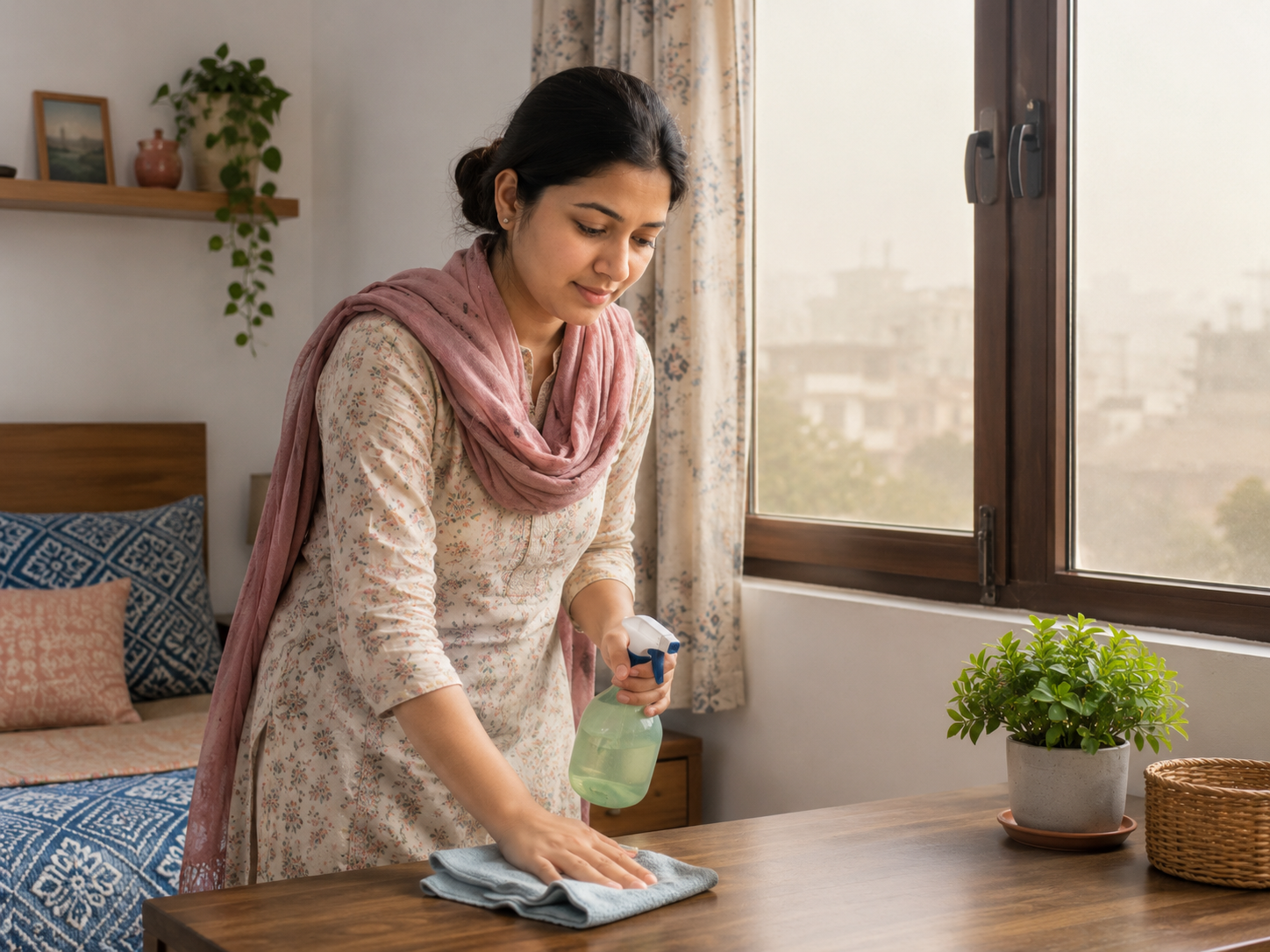
• wipe surfaces with a damp cloth and vacuum using a HEPA filter cleaner
• bathe pets regularly and groom them outdoors when you can
• wash your pet's bedding frequently on a hot wash and clean any furniture your pet uses
• keep your living space well-ventilated and address any damp or moisture build-up
At the same time, try to:
• keep pets out of bedrooms
• avoid going outside or drying laundry outdoors when pollen levels are high
Treatment
If medicines available at a pharmacy or medicine shop are not enough to control your allergic rhinitis symptoms, a doctor or health worker may recommend a stronger prescribed medicine, such as steroid nasal sprays or antihistamines that require a prescription.
If the cause of your symptoms is not clear, or if your symptoms are severe, you may be sent to a specialist for further tests and more targeted treatment.
Questions to ask your doctor

Questions to ask your doctor during consultation
Going to a doctor's appointment can feel overwhelming. Having a list of questions ready can help you make the most of your time. Consider asking:
What is likely triggering my symptoms? Ask whether testing is available to identify your specific allergy triggers.
Are my current medicines the right ones for me? If you have been using pharmacy medicines without much relief, ask whether a stronger or different treatment would help.
How long will I need to take my medicines? Some treatments are used only during certain seasons, while others may be needed long-term.
Do I need to see a specialist? Ask whether a referral for further tests or specialist care would be right for your situation.
Could my symptoms be affecting my breathing or lungs? This is especially important if you also have asthma or a persistent cough.
Are there any treatments I should avoid? Some medicines may not be suitable depending on your age, other health conditions, or other medicines you take.
What should I do if my symptoms get worse? Ask about warning signs to watch for and when to seek urgent help.
Are there lifestyle changes that could help reduce my symptoms at home?
Is my child's condition being managed correctly? If your child has allergic rhinitis, ask what treatments are safe for their age.
Nepal pathway
If your symptoms are mild and not causing serious concern, visit a nearby health post, clinic, or hospital at a convenient time. However, if your symptoms become severe, are getting worse, or you feel worried about your condition, go to the emergency department of your nearest hospital without delay. In areas where ambulance or emergency transport services are available, do not hesitate to use them when needed.
Disclaimer
This is general health information only and does not replace medical advice, diagnosis, treatment, or emergency care.