Acute cholecystitis
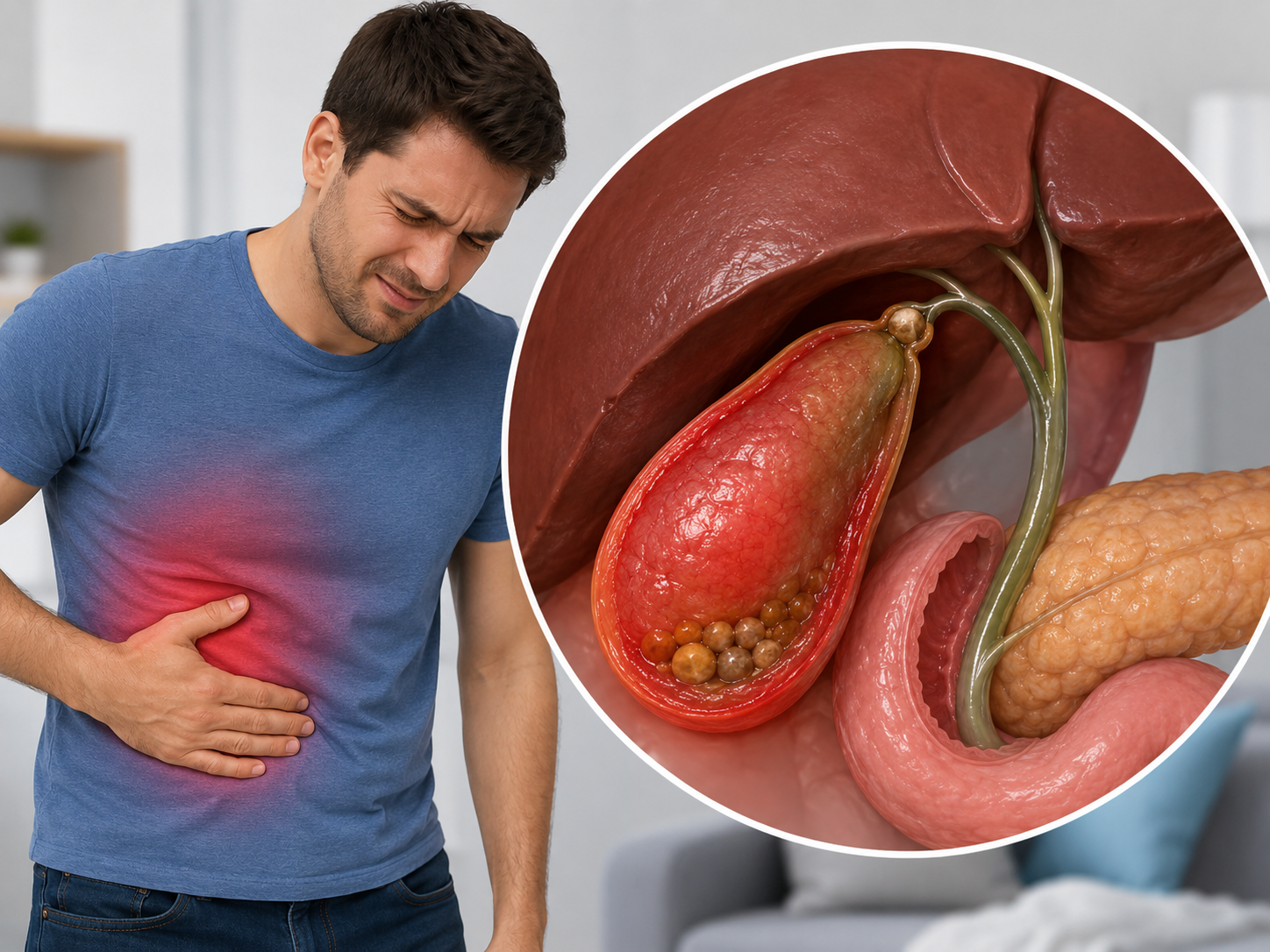
Acute cholecystitis is an inflammation of the gallbladder. This condition typically arises when a gallstone obstructs the cystic duct. The gallbladder is a small organ located beneath the liver, and the cystic duct serves as its main pathway. Gallstones are small, hard deposits, most often composed of cholesterol, that can develop inside the gallbladder. While many adults have gallstones and they often cause no issues, they can sometimes lead to sudden, severe pain (known as biliary colic) or trigger acute cholecystitis.
Symptoms
Acute cholecystitis often begins with a sudden, sharp pain in the upper right part of your belly. This discomfort can spread towards your right shoulder. The affected area usually feels very tender when touched, and taking a deep breath may make the pain worse. Unlike other types of stomach pain, the discomfort from acute cholecystitis is typically constant and does not go away within a few hours.
Additionally, some individuals may experience:
• A high body temperature (fever)
• Nausea (feeling sick)
• Vomiting (being sick)
• Sweating
• Loss of appetite
• Jaundice (yellowing of the skin and the whites of the eyes)
• A visible swelling or bulge in the belly
Red flags
If you experience sudden, severe pain in your abdomen, especially if it continues for more than a few hours or is accompanied by other symptoms like yellowing of your skin or eyes (jaundice) and a high fever, you should seek medical attention immediately from a doctor or health worker. If you cannot reach a doctor or health worker right away, contact your local emergency medical services for urgent advice. It is crucial to get an acute cholecystitis diagnosis and treatment promptly, as delaying care can lead to serious health complications.
Self-care
While it's not always possible to prevent acute cholecystitis, you can significantly lower your risk by taking steps to avoid developing gallstones.
A key way to reduce your chances of getting gallstones is to adopt a healthy, balanced diet. Limiting foods high in cholesterol can help, as cholesterol is believed to contribute to gallstone formation. Being overweight or obese also increases your risk of developing gallstones. Therefore, managing your weight through a healthy diet and regular physical activity is important. However, it's crucial to avoid very low-calorie or rapid weight loss diets. There is evidence that these can disrupt the chemical balance of your bile and may actually increase your risk of developing gallstones. A steady, gradual approach to weight loss is much safer and more effective.
The gallbladder is a small, pear-shaped organ located just beneath your liver. Its main purpose is to store and concentrate bile. Bile, a liquid produced by the liver, helps in digesting fats and assists in removing toxins from the body. This bile travels from the liver through small tubes called bile ducts into the gallbladder for storage. When needed, the gallbladder releases bile into your digestive system. While useful, it's not an essential organ. It can be safely removed, and your body can still digest food normally without it.
Treatment
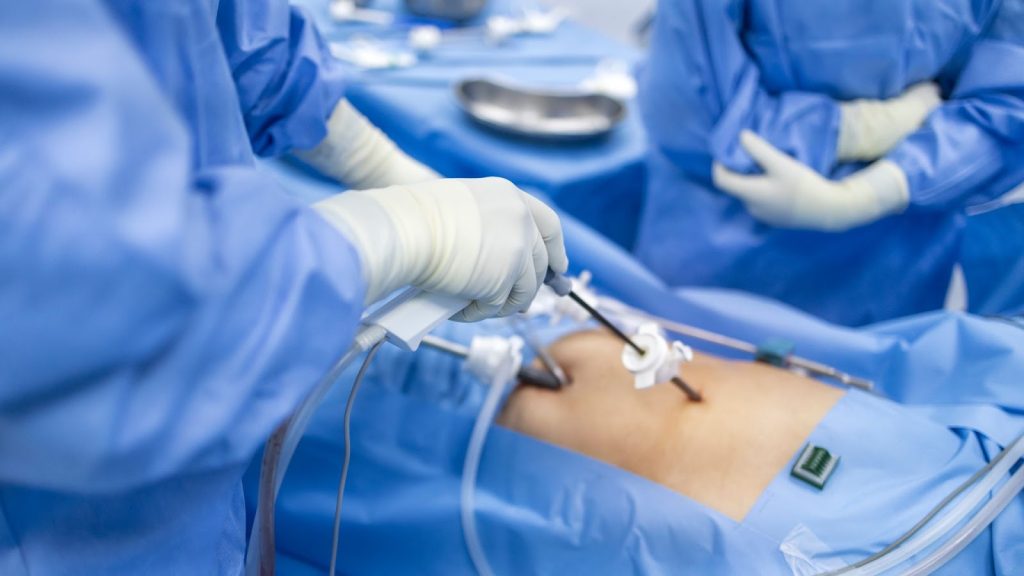
When you experience intense belly pain, a doctor or health professional might perform a straightforward check known as Murphy's sign. During this test, you'll be instructed to take a deep breath while the doctor or health worker gently presses their hand on your upper abdomen, specifically below your rib cage. As you inhale, your gallbladder moves down. If acute cholecystitis is present, you will feel sharp, sudden pain when your gallbladder comes into contact with the doctor's hand.
Should your symptoms point towards acute cholecystitis, your doctor or health worker will promptly send you to a hospital for more detailed investigations and necessary treatment. At the hospital, you may undergo several tests, such as:
• Blood tests: These help identify signs of inflammation within your body.
• An ultrasound scan of your abdomen: This scan looks for gallstones or other indications of a gallbladder issue.
Questions to ask your doctor
Visiting a doctor can feel stressful, especially when you are in pain or worried about your health. Writing down your questions beforehand can help you make the most of your appointment. If you think you may have acute cholecystitis, consider asking your doctor the following:
What is the likely cause of my pain and other symptoms?
Do you think this could be acute cholecystitis, or could something else explain my symptoms?
What tests will help confirm what is wrong?
What treatment options are available for me?
Will I need to be admitted to a hospital for treatment?
What could happen if this condition is left untreated or treatment is delayed?
How long should I expect recovery to take?
Are there specific foods or physical activities I should stay away from while I am recovering?
What steps can I take to lower my chances of this happening again?
Which warning signs should make me seek urgent medical attention or return to see a doctor immediately?
Nepal pathway
If you have mild or non-urgent symptoms, visit your nearest health post, clinic, or hospital outpatient department for assessment. For symptoms that are severe, getting worse, or causing you concern, go straight to the emergency department of your nearest hospital without delay. Where ambulance or emergency transport services are available in your area, do not hesitate to call them for help reaching care quickly.
Disclaimer
This is general health information only and does not replace medical advice, diagnosis, treatment, or emergency care.