Common cold
The symptoms of a common cold typically appear gradually and slowly improve over two to three weeks.
Symptoms
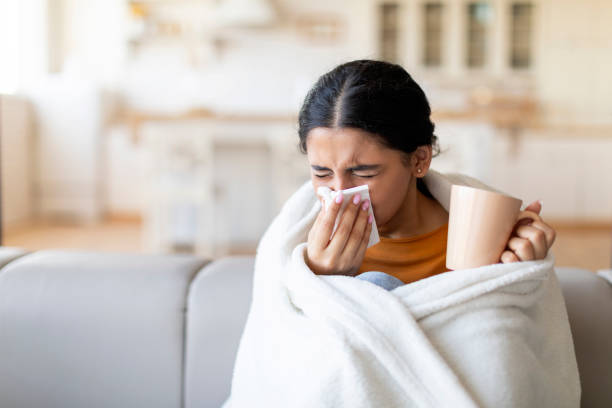
The common cold typically brings symptoms that appear gradually over two to three days. Key signs often include a blocked or runny nose, sneezing, a sore throat, a hoarse voice, a cough, and a general feeling of tiredness and unwellness.
Some individuals might also experience a high temperature (fever), aching muscles, a reduced sense of taste and smell, or a feeling of pressure in their ears and face.
In young children, cold symptoms can last longer. They may also become irritable, have difficulty feeding and sleeping, breathe through their mouth, or even vomit after coughing.
While cold and flu symptoms share similarities, the flu tends to be much more severe. Cold symptoms develop gradually, primarily affecting your nose and throat. Although you might feel unwell with a cold, you can usually continue with your daily activities. In contrast, flu symptoms often strike suddenly within a few hours, impacting your entire body, not just your nose and throat. The flu typically leaves you feeling exhausted and too sick to carry on with your usual routine.
Red flags
It's important to seek advice from a doctor or health worker if you experience any of the following:
• Your fever lasts longer than three days.
• Your cold symptoms are getting worse instead of improving.
• You have a very high fever, or you experience persistent chills and shivers.
• You feel short of breath or develop chest pain.
• You are worried about your child's cold symptoms.
• Your cold symptoms do not improve after 10 days.
• You have a cough that continues for more than three weeks.
• You get cold symptoms and also have a long-term health condition (like diabetes, heart disease, lung conditions, or kidney problems).
• You develop cold symptoms and have a weakened immune system (for example, if you are undergoing chemotherapy or have certain medical conditions).
Please keep in mind that doctors and health workers typically do not prescribe antibiotics for common colds. Colds are caused by viruses, and antibiotics are only effective against bacterial infections. Taking antibiotics for a viral cold will not relieve your symptoms or help you recover faster.
Self-care

Most common colds can be managed at home without needing to see a doctor or health professional. Simple steps can help you feel better sooner:
Things you can do:
• Make sure you get enough rest.
• Drink plenty of fluids, like water, to prevent dehydration.
• Eat nutritious food. It's common for young children to eat less than usual for a few days when they have a cold.
• To ease a sore throat, gargle with warm salt water. This is not recommended for children.
• A warm drink made with lemon and honey can also help soothe a sore throat.
• To clear a blocked nose, try inhaling steam. You can do this by sitting in a bathroom with a hot shower running.
Things to avoid:
• Never let children inhale steam directly from a bowl of hot water due to the high risk of severe burns.
• Do not give aspirin to anyone under 16 years old.
• Avoid smoking, as it can worsen your cold symptoms.
How to make a warm lemon and honey drink:
1. Squeeze half a lemon into a cup of boiled water.
2. Stir in 1 to 2 teaspoons of honey.
3. Drink it while it's still comfortably warm.
Be careful not to give very hot drinks to young children. Do not give honey to infants under one year of age.
If you have a fever or feel too unwell to carry out your usual activities, it's best to stay home and limit contact with others until you recover.
How a pharmacy or medicine shop can help:
Medicines for coughs and colds are available at pharmacies or local medicine shops. A pharmacist or medicine shop attendant can guide you on suitable options, including:
• Pain relievers like paracetamol or ibuprofen to help with body aches and reduce fever.
• Decongestant nasal sprays, drops, or tablets to help clear a stuffy nose (decongestants are not suitable for children under 6 years old).
• Vapour rubs that can help soothe chesty coughs in babies and young children.
While many nasal sprays can be purchased without a prescription, they should not be used for longer than one week, as overuse can worsen your symptoms.
If you are already taking paracetamol or ibuprofen tablets, avoid using other cough and cold medicines that contain similar ingredients, to prevent accidentally taking too much medication. Be aware that some cough and cold medicines are not safe for babies, young children, or pregnant women.
Scientific evidence is limited regarding whether supplements like vitamin C or garlic can prevent colds or speed up recovery.
How to prevent catching a cold:
A person with a cold can spread the virus to others starting a few days before their symptoms appear and continuing until their symptoms have gone away. The most effective ways to avoid catching a cold include:
• Washing your hands frequently with warm water and soap.
• Avoiding sharing towels, cups, children's toys, and other personal household items with someone who has a cold.
Treatment
For most people, a common cold will go away on its own within 7 to 10 days without needing a doctor's treatment. The main goal of treatment is simply to ease your symptoms while your body fights off the infection.
There is currently no cure for a common cold. Antibiotics are not effective because colds are caused by viruses, not bacteria. Taking antibiotics when they are not needed can lead to other health issues over time.
Medicines that can help
You can find common medicines at a pharmacy or medicine shop without a prescription that can help manage your symptoms:
• Paracetamol or ibuprofen can help bring down a high temperature and relieve body aches, pains, and a sore throat. Always read and follow the dosage instructions on the medicine packaging carefully.
• Decongestant nasal sprays, drops, or tablets can provide relief for a blocked or stuffy nose. It's important not to use nasal sprays for longer than one week, as this can sometimes make your congestion worse. These types of medicines should not be given to children under 6 years old.
• Vapour rubs may help soothe chesty coughs in babies and young children.
Be careful not to take cough and cold combination medicines at the same time as paracetamol or ibuprofen tablets. Doing so could mean you accidentally take too much medicine. If you are unsure, always check with a pharmacist.
Remember that some cold medicines are not safe for babies, young children, or pregnant women. Always ask a pharmacist or health worker if you are unsure which medicines are safe for you or your family.
Supplements
While some people use supplements like vitamin C or garlic, there is not enough strong scientific evidence to show that these can prevent colds or help you recover faster.
When to seek care
If your cold symptoms are getting worse, last longer than 10 days, or if you are concerned about your health, please visit your nearest health post, clinic, or hospital. Refer to the 'red flag signs' mentioned elsewhere for specific situations that require immediate medical attention.
Questions to ask your doctor

Seeing a doctor or health worker for your cold? Being ready with questions can help you get the most out of your visit. Here are some helpful questions you might consider asking:
Regarding your symptoms:
Are these symptoms typical for a cold, or could they indicate a different illness like influenza or a lung infection?
How long can I expect these symptoms to continue?
What warning signs should I look for that would mean I need another medical check-up or urgent care?
Regarding treatment:
Will I need any medication, or is it sufficient to rest and care for myself at home?
What medications are safe for me, especially if I am pregnant, have a chronic health condition, or am already taking other medicines?
Are there any activities or substances I should avoid while I am sick?
Regarding antibiotics:
Are antibiotics necessary for this cold?
If not, what signs might indicate a bacterial infection that would require antibiotic treatment?
If your child has a cold:
Are my child's symptoms typical for a common cold, or is there anything that worries you?
Which symptoms in my child would signal a need for urgent medical attention?
Regarding preventing spread:
What steps can I take to prevent spreading this cold to others in my home, particularly young children or older family members?
When can my child safely go back to school or childcare?
Nepal pathway
Nepal pathway: For non-urgent symptoms, see a doctor at a local clinic, health post, or hospital. If symptoms are severe, worsening, or you are worried, go to the nearest hospital emergency department. If available in your area, contact local ambulance or emergency transport.
Disclaimer
This is general health information only and does not replace medical advice, diagnosis, treatment, or emergency care.